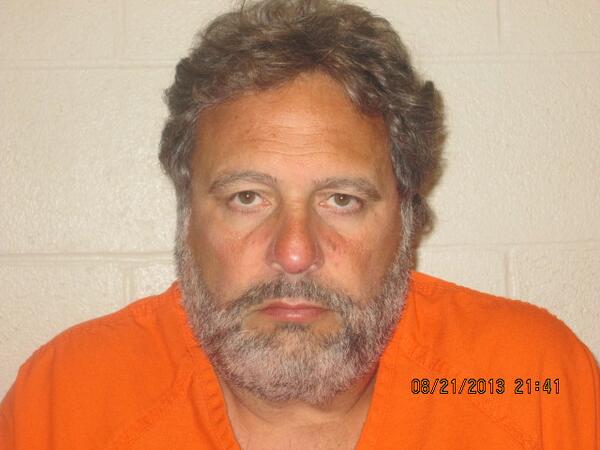
*Updated 9/4 with further verdicts.
Remember how Bedford Judge Harry Jacob III was accused of bribery and promoting prostitution – a charge usually used against pimps? Turns out that story, told by prosecutors in December, didn’t hold up in court.
At Jacob’s trial yesterday, Common Pleas Court Judge Brian Corrigan threw out the bribery charge and three charges of promoting prostitution before closing arguments. He ruled the state hadn’t made its case.
The embattled Jacob still faces 11 charges, including felonies involving tampering with records.* But so far, Jacob’s defense lawyers seem to be having some success with their strategy: admit their client had sex with prostitutes but argue he committed no other crimes.
The trial exposed holes in the prosecution’s key charges that I first revealed in my March story “The Bedford Judge and the Brothel Bust.”
Most of the case centers on the events of April 20, 2012, when Jacob allowed a young woman to resolve an outstanding traffic case by paying a $250 fine. Prosecutors claimed the woman, who was engaged in prostitution, had sex with Jacob in exchange for special treatment in court.
But Corrigan noted that $250 is actually a pretty typical fine for a traffic ticket. He ruled that the judge and the woman never agreed to sex for favors. “There’s no testimony he received any discount or other favorable consideration,” Corrigan said.
The woman’s story has shifted, so that may be a reason the bribery charge failed. But the three charges of promoting prostitution -- violating Ohio’s anti-pimping law – were always a stretch, as various local defense attorneys warned me for my March story.
“I would be cautious in believing that Judge Jacob engaged in the classic function of a pimp,” attorney Terry Gilbert said then. “Usually, in these cases, there are over-indictments.”
Those charges were a puzzle back then – what did prosecutors mean when they claimed Jacob had “supervised and induced” the activities of two prostitutes? Turns out that accusation was based on a rather novel interpretation of the law: Jacob paid women for threesomes.
As Corrigan put it delicately, the law targets “more of an operational aspect of prostitution, rather than what we see in this particular case.”
Now all the felony charges from the original indictment are gone. But Jacob could still be found guilty of corrupting his office, because prosecutors filed two superceding indictments this spring. Some of the newer felony charges allege he fudged court records. He also faces six misdemeanor charges of soliciting a prostitute. Corrigan will issue verdicts in about two weeks.* (Jacob waived his right to a jury trial.)
Prosecutors seem to have proven this much: Jacob’s lust for prostitutes made him stupid. It led him to break the law and violate judicial ethics. It will surely cost him his job. (He’s suspended from the bench pending the trial’s outcome.) Trial testimony showed Jacob paid for sex, heard the traffic case of a woman he had sex with, and visited the local brothel, Studio 54 Girls, on his lunch break. No judge’s career on the bench will survive that, nor should it.
But Corrigan’s ruling yesterday suggests that prosecutors initially overcharged Jacob. That’s significant because the Bedford indictments were the first big case for Cuyahoga County Prosecutor Tim McGinty’s new public corruption unit. (The other defendant, former Bedford law director Kenneth Schuman, pleaded guilty last month to one of eight counts: having an unlawful interest in a public contract. Prosecutors agreed to drop seven other counts against Schuman, including bribery, theft in office, and obstructing justice.)
A prosecutor who overcharges in public corruption cases may be an improvement over one who sees and hears no evil among his fellow elected officials. But the next time a public official gets indicted, it’ll be worth remembering how this case started and how it’s ending.
Update, 9/4: Corrigan found Jacob guilty of five misdemeanors: two counts of falsifying court records and three counts of soliciting prostitution. (Read the WKYC-TV story here.) Jacob was found not guilty on all of the state's felony charges.
McGinty's office blasted Corrigan's verdicts in an angry statement. Jacob "disgraced his city and demeaned the judiciary of this state," it says.
"We plan to appeal the court's erroneous conclusions," the statement says. But not-guilty verdicts are final.
McGinty spokesman Joe Frolik tells me, "We plan to challenge the reasoning Judge Corrigan cited for some of his verdicts, but we understand that we cannot overturn them. We would hope that the appeals court might instruct future courts on how to apply the law."
Showing posts with label tim mcginty. Show all posts
Wednesday, August 13, 2014
Monday, September 9, 2013
FitzGerald prepares to sue over 2005 Ameritrust purchase
The years of controversy over Cuyahoga County’s 2005 purchase of the Ameritrust Tower may be about to reach a climactic moment.
Cuyahoga County Executive Ed FitzGerald's law department is preparing to file a lawsuit over the controversial real estate deal. The county’s board of control voted today to hire two law firms as special counsel for “potential litigation related to the County’s purchase of the Ameritrust Complex.”
County law director Majeed Makhlouf says the county may sue the former Staubach Co., a former real estate consultant to the county, and Anthony Calabrese III, a lawyer who represented Staubach.
Prosecutor Tim McGinty may become involved in the case as well. The “primary avenue” for a suit, according to Makhlouf, would be an Ohio law that allows county prosecutors to sue for damages over a contract “procured by fraud or corruption” or to recover money “illegally drawn” from the county treasury.
FitzGerald has talked about suing Staubach, now part of Jones Lang LaSalle, since early 2012. He has complained about the $3 million the old county government paid Staubach over the Ameritrust purchase and the allegations Calabrese was involved in criminal wrongdoing related to the deal.
Cuyahoga County’s old government paid $21.7 million for the Ameritrust complex in September 2005 and spent roughly $23 million more on the project, including the $3 million broker fee, asbestos removal, and the purchase of a second parking garage. The new county government sold the complex to the Geis Cos. this year for $27 million, or a loss of about $18 million.
McGinty indicted Calabrese on corruption charges related to the Ameritrust affair this summer. The indictment claims that Calabrese got J. Kevin Kelley to give him “non-public information” from then-commissioner Jimmy Dimora about the pending deal, and that after the sale, Calabrese arranged for Kelley to receive a $70,000 bribe for his help. A county grand jury is also reportedly investigating possible connections among Dimora, Calabrese, and Vincent Carbone, whose company was the construction manager on the Ameritrust project. Calabrese has pled not guilty.
Rob Roe of Jones Lang LaSalle says the company has cooperated with all prior investigations into the Ameritrust transaction and will cooperate in any future inquires. "We believe our efforts on behalf of the County met the highest standards of quality and ethics that our clients have come to expect from us, and no one connected with any prior federal or County investigation into the transaction has ever suggested that they did not," Roe said in a statement Tuesday.
In an interview with me in spring 2012, Roe defended Staubach’s broker fee (which was shared with other companies) and its advice to the county (which was to lease the Ameritrust complex, not buy it). Roe said nothing about Calabrese’s conduct while representing Staubach appeared improper or gave him pause, and that Calabrese never talked about using any connections in county government to help Staubach.
A lawsuit now would come eight years after the controversial real estate deal. In fact, the county may be racing against the clock. If it files suit before September 30, it could avoid a legal battle over whether an eight-year statute of limitations applies.
The investigation of the deal has been long and complex, Makhlouf says. Now, with the federal corruption investigation mostly complete and the Ameritrust complex sold, the county is close to ready.
“This is a very important piece of litigation for us,” says Makhlouf, “but we couldn’t do anything that risked what we were doing in the sale of Ameritrust and the potential for the rejuvenation of that entire quarter.”
To assemble a case, the county’s lawyers have looked at the Jimmy Dimora trial, the federal and county indictments of Calabrese, county documents that federal investigators seized and have now returned, and an employment discrimination lawsuit against Jones Lang LaSalle that alleges senior management improperly destroyed records after learning about clients’ roles in federal corruption probes.
“It wasn’t the kind of investigation you went into, and there were all these records, and you went through them, and [found] the smoking gun,” Makhlouf says. “It was the type of investigation that needed many pieces to fall together from different places.”
The county hired business law firm Brennan, Manna & Diamond of Akron, and Giffen & Kaminski of Cleveland, which has business litigation and white-collar criminal defense practices. It was hard to find law firms who could help the county, Makhlouf says. Almost every local law firm had represented clients in the county corruption investigation, he says, and many firms did not want to sue a real estate broker because they see them as sources for referrals.
A suit under prosecutors' power to protect public funds is now easier because of the new agreement between the prosecutor and the law department over how they will split and share the job of representing the county in court. That law has no statute of limitations, Makhlouf says.
(Updated, 2:50 pm, to reflect the prosecutor's potential role, and 9/10, with details on the law firms hired and a new statement from Roe.)
Cuyahoga County Executive Ed FitzGerald's law department is preparing to file a lawsuit over the controversial real estate deal. The county’s board of control voted today to hire two law firms as special counsel for “potential litigation related to the County’s purchase of the Ameritrust Complex.”
County law director Majeed Makhlouf says the county may sue the former Staubach Co., a former real estate consultant to the county, and Anthony Calabrese III, a lawyer who represented Staubach.
Prosecutor Tim McGinty may become involved in the case as well. The “primary avenue” for a suit, according to Makhlouf, would be an Ohio law that allows county prosecutors to sue for damages over a contract “procured by fraud or corruption” or to recover money “illegally drawn” from the county treasury.
FitzGerald has talked about suing Staubach, now part of Jones Lang LaSalle, since early 2012. He has complained about the $3 million the old county government paid Staubach over the Ameritrust purchase and the allegations Calabrese was involved in criminal wrongdoing related to the deal.
Cuyahoga County’s old government paid $21.7 million for the Ameritrust complex in September 2005 and spent roughly $23 million more on the project, including the $3 million broker fee, asbestos removal, and the purchase of a second parking garage. The new county government sold the complex to the Geis Cos. this year for $27 million, or a loss of about $18 million.
Rob Roe of Jones Lang LaSalle says the company has cooperated with all prior investigations into the Ameritrust transaction and will cooperate in any future inquires. "We believe our efforts on behalf of the County met the highest standards of quality and ethics that our clients have come to expect from us, and no one connected with any prior federal or County investigation into the transaction has ever suggested that they did not," Roe said in a statement Tuesday.
In an interview with me in spring 2012, Roe defended Staubach’s broker fee (which was shared with other companies) and its advice to the county (which was to lease the Ameritrust complex, not buy it). Roe said nothing about Calabrese’s conduct while representing Staubach appeared improper or gave him pause, and that Calabrese never talked about using any connections in county government to help Staubach.
A lawsuit now would come eight years after the controversial real estate deal. In fact, the county may be racing against the clock. If it files suit before September 30, it could avoid a legal battle over whether an eight-year statute of limitations applies.
The investigation of the deal has been long and complex, Makhlouf says. Now, with the federal corruption investigation mostly complete and the Ameritrust complex sold, the county is close to ready.
“This is a very important piece of litigation for us,” says Makhlouf, “but we couldn’t do anything that risked what we were doing in the sale of Ameritrust and the potential for the rejuvenation of that entire quarter.”
To assemble a case, the county’s lawyers have looked at the Jimmy Dimora trial, the federal and county indictments of Calabrese, county documents that federal investigators seized and have now returned, and an employment discrimination lawsuit against Jones Lang LaSalle that alleges senior management improperly destroyed records after learning about clients’ roles in federal corruption probes.
“It wasn’t the kind of investigation you went into, and there were all these records, and you went through them, and [found] the smoking gun,” Makhlouf says. “It was the type of investigation that needed many pieces to fall together from different places.”
The county hired business law firm Brennan, Manna & Diamond of Akron, and Giffen & Kaminski of Cleveland, which has business litigation and white-collar criminal defense practices. It was hard to find law firms who could help the county, Makhlouf says. Almost every local law firm had represented clients in the county corruption investigation, he says, and many firms did not want to sue a real estate broker because they see them as sources for referrals.
A suit under prosecutors' power to protect public funds is now easier because of the new agreement between the prosecutor and the law department over how they will split and share the job of representing the county in court. That law has no statute of limitations, Makhlouf says.
(Updated, 2:50 pm, to reflect the prosecutor's potential role, and 9/10, with details on the law firms hired and a new statement from Roe.)
Thursday, August 22, 2013
McGinty likely wants to question Dimora about 2005 Ameritrust deal
What's Jimmy Dimora doing in the Cuyahoga County jail? He was moved there from federal prison last night, and in his jail booking photo, he doesn't look too happy about it.
Journalists' Twitter feeds lit up with the news this afternoon. Several reporters said Dimora will go before a county grand jury. Why?
"Prosecutors apparently want to question Dimora about lawyer Anthony Calabrese/Ameritrust deal," WKYC's Tom Meyer tweeted.
I think Meyer's right. County prosecutor Tim McGinty is trying to get to the bottom of the last big unanswered question in the five-year-old county corruption scandal: Was the county's 2005 purchase of the Ameritrust Tower corrupted in some way?
This January, county executive Ed FitzGerald told me he'd asked McGinty to investigate the Ameritrust purchase, especially corruption defendant Anthony Calabrese III's role in it. McGinty did just that.
The prosecutor hit Calabrese with a six-count indictment last month, including conspiracy and corruption charges that include the 2005 Ameritrust deal.
The indictment charges that Calabrese -- then an attorney for The Staubach Co., a real estate consultant for the county on the Ameritrust deal -- got Dimora crony J. Kevin Kelley to provide him with "non-public information ... from Dimora relating to the then-forthcoming purchase of Ameritrust by Cuyahoga County." After the sale went through, McGinty alleges, Calabrese arranged for an unnamed businessman to pay Kelley a $70,000 bribe for his help.
Now, the reports that Dimora will be put before a grand jury to testify suggest that McGinty is considering further charges against someone. Where's he going with this?
Dimora is named as an unindicted co-conspirator in the Calabrese indictment. It mentions him in connection with the Ameritrust sale and Dimora's famed trip to Vegas. Why rehash Vegas? Because conspiracy charges can reach back beyond Ohio's six-year statute of limitations on bribery. To charge anyone with crimes related to the 2005 Ameritrust deal, McGinty needs to prove that it was part of a larger conspiracy that was still active six years ago.
Federal investigators also looked into Calabrese's ties to the Ameritrust deal, and they charged Calabrese with witness tampering in relation to the $70,000 payment to Kelley -- but they dropped that charge when Calabrese agreed to plead guilty to 18 other crimes. Significantly, Calabrese's federal plea deal included no agreement to cooperate with the feds. Does that mean he still has secrets to keep?
==
To read more coverage of the 2005 Ameritrust purchase, follow these links:
"FitzGerald: Calabrese holds key to 2005 Ameritrust inquiry," Jan. 30, 2013
"FBI, IRS investigated Dimora, Kelley, payment to Staubach Co. over Ameritrust Tower purchase," June 7, 2012
Friday, April 5, 2013
McGinty revives corruption investigation with state charges against Calabrese
A weekend surprise: Tim McGinty, who promised to crack down on public corruption when he ran for Cuyahoga County prosecutor, is picking up some leads from the federal government’s six-year-old county corruption investigation. Just when you thought everyone had pleaded guilty, it looks like there's more to come.
Late today, a grand jury indicted attorney Anthony Calabrese III (pictured) on two counts of bribery and one charge of theft by deception. All three charges seem closely related to federal charges to which Calabrese has already pled guilty.
“Cuyahoga County Grand Jury Issues First Indictment for Corruption Related Offenses,” reads McGinty’s press release, which went out at 5:36 pm. And yes, that word “first” implies what you think it implies.
“There will be more indictments,” McGinty’s spokesperson, Maria Russo, said this evening. She wouldn’t elaborate.
Calabrese is charged with bribing Jimmy Dimora and Frank Russo, indirectly, by directing J. Kevin Kelley to pay for their tickets to Las Vegas in 2008, in order to get Dimora and Russo to help restore funding to Alternatives Agency, a nonprofit Calabrese represented as a lawyer. In the theft by deception charge, Calabrese is accused of getting Alternatives Agency to pay Kelley and Anthony Sinagra as consultants, even though they did no work.
But Calabrese has already pled guilty to federal charges involving the trip to Vegas and the consulting payments to Kelley and Sinagra – bribery, bribery conspiracy and mail fraud conspiracy, to be exact.
So what’s going on?
Today’s charges could be part of a mop-up operation, where McGinty looks at whether leads from the FBI investigation point to violations of state law. He may be looking to file direct charges of bribery and theft where the feds could only make conspiracy, wire fraud or mail fraud charges.
McGinty may also be taking over late-breaking leads in the corruption probe. Federal law has a five-year statute of limitations on bribery and similar crimes, so the U.S. Attorney’s time to file new charges from the corruption probe is running out. (The FBI raided the county building, breaking up the corruption regime, on July 28, 2008.) But Ohio has a six-year statute of limitations, so McGinty has more time.
What might the new lead be?
I wonder if McGinty is probing Calabrese and Kelley’s relationship because he wants to know if they corrupted the county’s 2005 purchase of the Ameritrust complex. County executive Ed FitzGerald told me in January that he’s asked McGinty to probe Calabrese’s relationship to the Ameritrust deal.
At one point last year, federal prosecutors alleged that Calabrese promised to reward Kelley if he successfully lobbied Jimmy Dimora to vote to buy the Ameritrust property. Two months after the sale, the feds claimed, Kelley received $70,000 and a company with a tie to Calabrese received $99,000 from unidentified sources.
But the feds aren’t pursuing that lead anymore. They included it in a witness tampering charge against Calabrese, but dropped that charge in exchange for Calabrese’s guilty plea on 18 other counts.
Calabrese, unlike the other federal corruption defendants, didn’t agree to cooperate with investigators when he pled guilty. So the new charges could increase the pressure on Calabrese to make a deal with McGinty. (Calabrese also faces charges in an unrelated case: he's charged with trying to bribe rape victims to change their testimony at a sentencing.)
Calabrese is the last big lead in the corruption probe. What more might he know?
Update, 4/14: The Plain Dealer runs a front-page followup today that's basically an 1,120-word question mark. It quotes a bunch of people puzzled over what the hell McGinty's doing. The story says McGinty "stunned federal officials" by charging Calabrese, but doesn't give details.
If McGinty really is just going to pile state charges on top of everyone's federal charges, that's really weird. I still think McGinty may be trying to work his way up to probing the Ameritrust scandal. But Jim Jenkins, attorney for corruption defendant Daniel Gallagher, offers the PD another theory: McGinty may be trying to go after the corrupt officials' pensions.
Late today, a grand jury indicted attorney Anthony Calabrese III (pictured) on two counts of bribery and one charge of theft by deception. All three charges seem closely related to federal charges to which Calabrese has already pled guilty.
“Cuyahoga County Grand Jury Issues First Indictment for Corruption Related Offenses,” reads McGinty’s press release, which went out at 5:36 pm. And yes, that word “first” implies what you think it implies.
“There will be more indictments,” McGinty’s spokesperson, Maria Russo, said this evening. She wouldn’t elaborate.
Calabrese is charged with bribing Jimmy Dimora and Frank Russo, indirectly, by directing J. Kevin Kelley to pay for their tickets to Las Vegas in 2008, in order to get Dimora and Russo to help restore funding to Alternatives Agency, a nonprofit Calabrese represented as a lawyer. In the theft by deception charge, Calabrese is accused of getting Alternatives Agency to pay Kelley and Anthony Sinagra as consultants, even though they did no work.
But Calabrese has already pled guilty to federal charges involving the trip to Vegas and the consulting payments to Kelley and Sinagra – bribery, bribery conspiracy and mail fraud conspiracy, to be exact.
So what’s going on?
Today’s charges could be part of a mop-up operation, where McGinty looks at whether leads from the FBI investigation point to violations of state law. He may be looking to file direct charges of bribery and theft where the feds could only make conspiracy, wire fraud or mail fraud charges.
McGinty may also be taking over late-breaking leads in the corruption probe. Federal law has a five-year statute of limitations on bribery and similar crimes, so the U.S. Attorney’s time to file new charges from the corruption probe is running out. (The FBI raided the county building, breaking up the corruption regime, on July 28, 2008.) But Ohio has a six-year statute of limitations, so McGinty has more time.
What might the new lead be?
I wonder if McGinty is probing Calabrese and Kelley’s relationship because he wants to know if they corrupted the county’s 2005 purchase of the Ameritrust complex. County executive Ed FitzGerald told me in January that he’s asked McGinty to probe Calabrese’s relationship to the Ameritrust deal.
At one point last year, federal prosecutors alleged that Calabrese promised to reward Kelley if he successfully lobbied Jimmy Dimora to vote to buy the Ameritrust property. Two months after the sale, the feds claimed, Kelley received $70,000 and a company with a tie to Calabrese received $99,000 from unidentified sources.
But the feds aren’t pursuing that lead anymore. They included it in a witness tampering charge against Calabrese, but dropped that charge in exchange for Calabrese’s guilty plea on 18 other counts.
Calabrese, unlike the other federal corruption defendants, didn’t agree to cooperate with investigators when he pled guilty. So the new charges could increase the pressure on Calabrese to make a deal with McGinty. (Calabrese also faces charges in an unrelated case: he's charged with trying to bribe rape victims to change their testimony at a sentencing.)
Calabrese is the last big lead in the corruption probe. What more might he know?
Update, 4/14: The Plain Dealer runs a front-page followup today that's basically an 1,120-word question mark. It quotes a bunch of people puzzled over what the hell McGinty's doing. The story says McGinty "stunned federal officials" by charging Calabrese, but doesn't give details.
If McGinty really is just going to pile state charges on top of everyone's federal charges, that's really weird. I still think McGinty may be trying to work his way up to probing the Ameritrust scandal. But Jim Jenkins, attorney for corruption defendant Daniel Gallagher, offers the PD another theory: McGinty may be trying to go after the corrupt officials' pensions.
Wednesday, January 30, 2013
FitzGerald: Calabrese holds key to 2005 Ameritrust inquiry
The Ameritrust debacle is almost over. Cuyahoga County is on the verge of selling the old bank complex for $27 million -- or $18 million less than it spent on it.
But there’s still a major question about the old government’s 2005 purchase of the Ameritrust complex. Will the public ever know if it was just an unwise deal, or if wrongdoing was involved?
County executive Ed FitzGerald thinks attorney and corruption defendant Anthony Calabrese III knows the answer, and he wants county prosecutor Tim McGinty to get it out of him.
“You asked what the chances are the public will ever know,” FitzGerald said to me last week. “I think Mr. Calabrese knows! And I think he has even more incentive to be cooperative with the county.”
Calabrese (pictured), the last defendant to plead guilty in the federal government’s Cuyahoga County corruption probe, finally admitted to 18 corruption crimes this month. But federal prosecutors agreed to drop the one charge that involved the Ameritrust complex.
Meanwhile, McGinty has charged Calabrese in county court with conspiring to bribe two rape victims to change their testimony. Calabrese has pleaded not guilty.
McGinty’s office says the county and federal cases are unrelated. Still, FitzGerald thinks McGinty could use the new bribery charge as leverage to get to the bottom of the Ameritrust affair.
“Somebody that is a central figure in the Ameritrust transaction is also facing county charges,” FitzGerald said. “It gives them a pretty good incentive to cooperate.”
In 2005, Calabrese was an attorney representing The Staubach Co., the county’s real estate consultant. Last June, federal prosecutors alleged that Calabrese asked J. Kevin Kelley to lobby Jimmy Dimora to buy the Ameritrust complex and promised to reward him if the county went through with the sale. Two months after the deal went through, Kelley received $70,000 and a company with a tie to Calabrese received $99,000 from unidentified sources, prosecutors claimed.
The FBI and IRS began probing the Ameritrust project in 2007. They investigated whether any money from Staubach was “funneled through others for the ultimate benefit of public officials” – but they couldn’t make a case. Instead, they charged Calabrese with witness tampering in connection with the Ameritrust affair, claiming that in August 2008, after the FBI raids on county offices, Calabrese met with Kelley and made false statements about the company that had given Kelley the $70,000.
But it looks like the feds are done digging into the Ameritrust purchase. They agreed to drop the witness tampering charge against Calabrese in exchange for his guilty pleas on the 18 other charges (his role in Dimora’s Vegas trip, etc.). And Calabrese’s plea agreement does not include any agreement to cooperate with the federal probe.
If federal prosecutors have dropped the Ameritrust affair, it may be because it’s too late for them to dig deeper. There’s a five-year statute of limitations on most federal crimes, including the bribery and extortion statutes often used in public corruption cases. The Ameritrust deal went down 7½ years ago.
In state court, most felonies have a six-year statute of limitations. That leaves one more approach, a lawsuit.
“I have had extensive conversations with prosecutor McGinty about taking civil action,” FitzGerald said last week.
His administration’s two investigations of the Ameritrust purchase appear to have formed his brief for McGinty. Inspector general Nailah Byrd told me her inquiry has been forwarded to another agency she couldn’t name. Law director Majeed Makhlouf, who was also looking into the Ameritrust affair, says he has discussed it with McGinty. “I think he’s interested in it as well,” Makhlouf says.
FitzGerald has made it clear he’d like to sue the former Staubach Co., which made $3 million in broker’s fees off the 2005 Ameritrust purchase. The county executive is a former FBI agent, and the deal seems to have reawakened his investigatory instincts. And, of course, the more mismanagement by the old government he can uncover, the more he burnishes his reformer credentials -- at the same time he’s exploring a run for governor.
Staubach’s potential defense seems clear. Rob Roe of Staubach (now part of Jones Lang LaSalle) told me last year that the old county government actually disregarded his company’s advice about the Ameritrust complex. Roe also said nothing about Calabrese’s conduct while representing Staubach appeared improper or gave him pause, and that Calabrese never talked with him about using any connections in county government to help with the contract.
McGinty’s spokesperson declined to comment about FitzGerald’s comments, saying the office couldn't comment about an open investigation. Calabrese’s federal attorney, Chad Ziepfel, also declined comment.
We’ll see if Calabrese talks to McGinty about the Ameritrust complex. Maybe he won’t. He already faces a likely nine-year sentence in federal prison, and that didn’t motivate him to cooperate with the feds.
Is time running out for county action on the Ameritrust purchase? Normally, lawsuits over contracts in Ohio have an eight-year statute of limitations, which would bar a suit from being filed after this September. But McGinty could possibly use this law, which says a prosecutor can sue for damages over a county contract “procured by fraud or corruption.” It’s not clear whether that law has a time limit attached.
(Photos: Cuyahoga County Sheriff, clevelandskyscrapers.com)
But there’s still a major question about the old government’s 2005 purchase of the Ameritrust complex. Will the public ever know if it was just an unwise deal, or if wrongdoing was involved?
County executive Ed FitzGerald thinks attorney and corruption defendant Anthony Calabrese III knows the answer, and he wants county prosecutor Tim McGinty to get it out of him.
“You asked what the chances are the public will ever know,” FitzGerald said to me last week. “I think Mr. Calabrese knows! And I think he has even more incentive to be cooperative with the county.”
Calabrese (pictured), the last defendant to plead guilty in the federal government’s Cuyahoga County corruption probe, finally admitted to 18 corruption crimes this month. But federal prosecutors agreed to drop the one charge that involved the Ameritrust complex.
Meanwhile, McGinty has charged Calabrese in county court with conspiring to bribe two rape victims to change their testimony. Calabrese has pleaded not guilty.
McGinty’s office says the county and federal cases are unrelated. Still, FitzGerald thinks McGinty could use the new bribery charge as leverage to get to the bottom of the Ameritrust affair.
“Somebody that is a central figure in the Ameritrust transaction is also facing county charges,” FitzGerald said. “It gives them a pretty good incentive to cooperate.”
In 2005, Calabrese was an attorney representing The Staubach Co., the county’s real estate consultant. Last June, federal prosecutors alleged that Calabrese asked J. Kevin Kelley to lobby Jimmy Dimora to buy the Ameritrust complex and promised to reward him if the county went through with the sale. Two months after the deal went through, Kelley received $70,000 and a company with a tie to Calabrese received $99,000 from unidentified sources, prosecutors claimed.
The FBI and IRS began probing the Ameritrust project in 2007. They investigated whether any money from Staubach was “funneled through others for the ultimate benefit of public officials” – but they couldn’t make a case. Instead, they charged Calabrese with witness tampering in connection with the Ameritrust affair, claiming that in August 2008, after the FBI raids on county offices, Calabrese met with Kelley and made false statements about the company that had given Kelley the $70,000.
But it looks like the feds are done digging into the Ameritrust purchase. They agreed to drop the witness tampering charge against Calabrese in exchange for his guilty pleas on the 18 other charges (his role in Dimora’s Vegas trip, etc.). And Calabrese’s plea agreement does not include any agreement to cooperate with the federal probe.
If federal prosecutors have dropped the Ameritrust affair, it may be because it’s too late for them to dig deeper. There’s a five-year statute of limitations on most federal crimes, including the bribery and extortion statutes often used in public corruption cases. The Ameritrust deal went down 7½ years ago.
In state court, most felonies have a six-year statute of limitations. That leaves one more approach, a lawsuit.
“I have had extensive conversations with prosecutor McGinty about taking civil action,” FitzGerald said last week.
His administration’s two investigations of the Ameritrust purchase appear to have formed his brief for McGinty. Inspector general Nailah Byrd told me her inquiry has been forwarded to another agency she couldn’t name. Law director Majeed Makhlouf, who was also looking into the Ameritrust affair, says he has discussed it with McGinty. “I think he’s interested in it as well,” Makhlouf says.
FitzGerald has made it clear he’d like to sue the former Staubach Co., which made $3 million in broker’s fees off the 2005 Ameritrust purchase. The county executive is a former FBI agent, and the deal seems to have reawakened his investigatory instincts. And, of course, the more mismanagement by the old government he can uncover, the more he burnishes his reformer credentials -- at the same time he’s exploring a run for governor.
Staubach’s potential defense seems clear. Rob Roe of Staubach (now part of Jones Lang LaSalle) told me last year that the old county government actually disregarded his company’s advice about the Ameritrust complex. Roe also said nothing about Calabrese’s conduct while representing Staubach appeared improper or gave him pause, and that Calabrese never talked with him about using any connections in county government to help with the contract.
McGinty’s spokesperson declined to comment about FitzGerald’s comments, saying the office couldn't comment about an open investigation. Calabrese’s federal attorney, Chad Ziepfel, also declined comment.
We’ll see if Calabrese talks to McGinty about the Ameritrust complex. Maybe he won’t. He already faces a likely nine-year sentence in federal prison, and that didn’t motivate him to cooperate with the feds.
Is time running out for county action on the Ameritrust purchase? Normally, lawsuits over contracts in Ohio have an eight-year statute of limitations, which would bar a suit from being filed after this September. But McGinty could possibly use this law, which says a prosecutor can sue for damages over a county contract “procured by fraud or corruption.” It’s not clear whether that law has a time limit attached.
(Photos: Cuyahoga County Sheriff, clevelandskyscrapers.com)
Monday, December 10, 2012
Last Man Standing: My interview with Bill Mason
Just before Bill Mason left the Cuyahoga County prosecutor's office this fall, he and I sat down for a final interview. It got tense.
Others had already asked Mason why he didn't catch Jimmy Dimora or Frank Russo in the act of pocketing bribes and exploiting their office. So I drilled deeper. I asked about the times Mason's name came up at the Dimora trial, the wrongdoing ex-sheriff Gerald McFaul carried out in the Justice Center (where Mason also had his office), and Mason's longstanding alliance and friendship with Pat O'Malley, the former county recorder who served federal prison time on an obscenity conviction.
Mason, I discovered, remains loyal to O'Malley even today. "I'm a pretty trustworthy and loyal guy," he said. "Period." Mason said he didn't know that sheriff's deputies were illegally selling tickets to McFaul's clambake fundraisers in the Justice Center. And he denied any involvement with Frank Russo's successful efforts to push J. Kevin Kelley out of the 2003 Parma mayor's race.
The interview ranged across Mason's 14 years in office and touched on his dual reputation as a tough law-and-order prosecutor and shrewd political insider. We talked about Mason's aggressive pursuit of the death penalty, his work fighting mortgage fraud and child porn, and his memories of the 2000 Sam Sheppard case. As the spotlight turns to his successor, Tim McGinty, my last talk with Mason provides a look at the state of the prosecutor's office during a time of transition.
You can read my interview with Mason, "Last Man Standing," here and in the December issue of Cleveland Magazine.
Others had already asked Mason why he didn't catch Jimmy Dimora or Frank Russo in the act of pocketing bribes and exploiting their office. So I drilled deeper. I asked about the times Mason's name came up at the Dimora trial, the wrongdoing ex-sheriff Gerald McFaul carried out in the Justice Center (where Mason also had his office), and Mason's longstanding alliance and friendship with Pat O'Malley, the former county recorder who served federal prison time on an obscenity conviction.
Mason, I discovered, remains loyal to O'Malley even today. "I'm a pretty trustworthy and loyal guy," he said. "Period." Mason said he didn't know that sheriff's deputies were illegally selling tickets to McFaul's clambake fundraisers in the Justice Center. And he denied any involvement with Frank Russo's successful efforts to push J. Kevin Kelley out of the 2003 Parma mayor's race.
The interview ranged across Mason's 14 years in office and touched on his dual reputation as a tough law-and-order prosecutor and shrewd political insider. We talked about Mason's aggressive pursuit of the death penalty, his work fighting mortgage fraud and child porn, and his memories of the 2000 Sam Sheppard case. As the spotlight turns to his successor, Tim McGinty, my last talk with Mason provides a look at the state of the prosecutor's office during a time of transition.
You can read my interview with Mason, "Last Man Standing," here and in the December issue of Cleveland Magazine.
Labels:
Bill Mason,
Frank Russo,
Gerald McFaul,
j. kevin Kelley,
Pat O'Malley,
tim mcginty
Monday, September 17, 2012
Mason resigns 3 months early, heading to law firm
Bill Mason just gave us his two weeks notice. The Cuyahoga County prosecutor is leaving Sept. 30, three months before his term expires, to take a job in the public finance unit of the law firm Bricker and Eckler.
It’s the end of an era. The last of the Democrats who took over Cuyahoga County government in the late 1990s is on his way out.
Mason not only outlasted his peers, he helped plan their end. He savvily endorsed county reform in 2009 and helping to write the new charter that ushered every other county Democrat out of office.
Yet the old guard’s downfall ultimately hurt Mason too. The federal obscenity conviction of former county recorder Pat O’Malley, Mason’s longtime friend and ally, raised questions about his political judgment. And when federal prosecutors indicted Jimmy Dimora and Frank Russo, critics asked why Mason hadn’t busted them first.
Mason loves politics, but he surely wants to be remembered for more than his political connections. His office boasted a 92 percent conviction rate as of 2008, compared with about 68 percent nationally. His almost 14 years as prosecutor include dramatic cases ranging from the Sam Sheppard civil trial to the conviction of serial killer Anthony Sowell. He chased child pornographers and mortgage-fraudsters with gusto. His cold case unit has revived several cases a decade old or more — including its investigation of serial murderer Joseph Harwell, which I wrote about in the magazine’s July issue.
Defense attorneys and some judges, meanwhile, asked whether the tough prosecutor was too tough, charging too aggressively. His staff’s many political ties, including seats on city councils across the county, also attracted criticism. It made his office an awkward fit with the county’s new ethos, where political connections among public employees are distrusted and limited by new ethics rules.
Mason announced in 2010 that he wouldn’t run again. Will-he-resign rumors -- probably spread by his foes, not his confidants – were circulating wildly that year, and Scene inaccurately predicted he’d go within months. So even without surfing the blogs, I can imagine the buzz of speculation now about Mason’s move.
But Nicole DiSanto, Mason’s interim spokesperson, makes his early departure sound as simple as the reasons your officemate might leave for a new job. “The opportunity presented itself now,” she says. “He wants to make sure the next person can come in and start taking a leadership role.”
That suggests former judge Tim McGinty may succeed Mason in October. {Update, 9/18: He will.} McGinty, the Democratic nominee for prosecutor, is a heavy favorite to beat independent candidate Ed Wade Jr. on Nov. 6. The rules for mid-term replacements are complicated. County executive Ed FitzGerald can name an interim replacement; then, within 45 days, the county Democrats’ executive committee has to pick someone to finish the term. Rather than switch among four prosecutors in five months, FitzGerald and the Democrats may just give McGinty the job early.
Previous coverage of Mason on my blog and in the magazine:
-"Office Politics," March 2012, Michael D. Roberts' column arguing that Mason's successor needs to do a better job fighting corruption
-"Mason won't run again in 2012," October 22, 2010, summarizing Mason's miserable year
-"Mason talks reform," Feb. 26, 2009, one of his first interviews about his involvement in the county charter movement
-"Annette Butler debates Bill Mason," Oct. 20, 2008, my coverage of the City Club debate from Mason's last race
It’s the end of an era. The last of the Democrats who took over Cuyahoga County government in the late 1990s is on his way out.
Mason not only outlasted his peers, he helped plan their end. He savvily endorsed county reform in 2009 and helping to write the new charter that ushered every other county Democrat out of office.
Yet the old guard’s downfall ultimately hurt Mason too. The federal obscenity conviction of former county recorder Pat O’Malley, Mason’s longtime friend and ally, raised questions about his political judgment. And when federal prosecutors indicted Jimmy Dimora and Frank Russo, critics asked why Mason hadn’t busted them first.
Mason loves politics, but he surely wants to be remembered for more than his political connections. His office boasted a 92 percent conviction rate as of 2008, compared with about 68 percent nationally. His almost 14 years as prosecutor include dramatic cases ranging from the Sam Sheppard civil trial to the conviction of serial killer Anthony Sowell. He chased child pornographers and mortgage-fraudsters with gusto. His cold case unit has revived several cases a decade old or more — including its investigation of serial murderer Joseph Harwell, which I wrote about in the magazine’s July issue.
Defense attorneys and some judges, meanwhile, asked whether the tough prosecutor was too tough, charging too aggressively. His staff’s many political ties, including seats on city councils across the county, also attracted criticism. It made his office an awkward fit with the county’s new ethos, where political connections among public employees are distrusted and limited by new ethics rules.
Mason announced in 2010 that he wouldn’t run again. Will-he-resign rumors -- probably spread by his foes, not his confidants – were circulating wildly that year, and Scene inaccurately predicted he’d go within months. So even without surfing the blogs, I can imagine the buzz of speculation now about Mason’s move.
But Nicole DiSanto, Mason’s interim spokesperson, makes his early departure sound as simple as the reasons your officemate might leave for a new job. “The opportunity presented itself now,” she says. “He wants to make sure the next person can come in and start taking a leadership role.”
That suggests former judge Tim McGinty may succeed Mason in October. {Update, 9/18: He will.} McGinty, the Democratic nominee for prosecutor, is a heavy favorite to beat independent candidate Ed Wade Jr. on Nov. 6. The rules for mid-term replacements are complicated. County executive Ed FitzGerald can name an interim replacement; then, within 45 days, the county Democrats’ executive committee has to pick someone to finish the term. Rather than switch among four prosecutors in five months, FitzGerald and the Democrats may just give McGinty the job early.
Previous coverage of Mason on my blog and in the magazine:
-"Office Politics," March 2012, Michael D. Roberts' column arguing that Mason's successor needs to do a better job fighting corruption
-"Mason won't run again in 2012," October 22, 2010, summarizing Mason's miserable year
-"Mason talks reform," Feb. 26, 2009, one of his first interviews about his involvement in the county charter movement
-"Annette Butler debates Bill Mason," Oct. 20, 2008, my coverage of the City Club debate from Mason's last race
Tuesday, March 6, 2012
McGinty heads toward victory in prosecutor’s race
Tim McGinty, a maverick former judge, looks like he’s heading toward victory in the race to become Cuyahoga County prosecutor. With early voting results and half the precincts in, he has a commanding lead: 38 percent, with the other candidates ranging from 20 percent to 9 percent.
McGinty parlayed his 29 years’ experience in the county courts as an assistant prosecutor and judge into strong performances in campaign debates and forums and a big lead in campaign donations. His ads and flyers were everywhere as the election neared.
He’s funny and a bit eccentric, with a big independent streak. I know because I once spent a few days with him. He was a judge in a malpractice trial; I was a juror.
The first clue was all the flags tacked up on the courtroom’s painfully monotonous, corrugated brown walls (I wish I could remember which ones… Don’t Tread on Me? Don’t Give Up the Ship?). During the many breaks in the action, McGinty would turn to the jury box and tell us the story behind the flag, trying to keep us entertained and awake.
He knew I was a journalist – that had come out in jury selection – so now and then, as we filed out to the jury room for lunch or whatever, he’d stop me and try to interest me in some story ideas. One was about a long-ago stop-and-frisk in downtown Cleveland that had gone to the U.S. Supreme Court and set a new precedent for how cops detain suspects. The other was his proposals for reforming the local justice system.
For more than a decade, McGinty has been pushing to make Cuyahoga County’s justice system more efficient, pissing off fellow judges and lawyers and railing against bureaucracy. Some of his ideas, such as ending the “straight release” of suspects after booking, have been adopted. Others, such as early and alternative disposition of low-level felonies, are being tried in pilot programs. Some, like 24-hour booking, have been ignored. But if he’s the next prosecutor (he’ll face a long-shot Independent opponent in November), McGinty will surely try to implement them all.
Like most of his opponents, McGinty aimed to convince voters he’d break with the past. Current prosecutor Bill Mason has faced strong criticism for his political alliances and for failing to deter and root out corruption in county government. McGinty didn’t take the lead on the issue – former Cleveland law director Subodh Chandra did – but McGinty did promise to set up an anti-corruption unit, refuse campaign contributions from his employees, and ask employees running for partisan office to take a leave of absence.
As McGinty became the man to beat, Chandra aggressively challenged him on several fronts, especially for prosecuting an innocent man, Michael Green, for rape in 1988. Green was exonerated by DNA evidence in 2001, and McGinty says his case is a cautionary influence on his decisions about eyewitness testimony and scientific testing.
The prosecutor’s race was the first without an incumbent in 56 years, which gave people an unusual opportunity to extract promises from the candidates. And since the real contest was in the Democratic primary, liberal constituencies concerned with civil liberties and racial bias in the justice system tried to extract promises that the candidate would prosecute moderately and not overdo it.
At the City Club debate, McGinty didn’t go as far as some of his opponents. He did say he’d seek the death penalty more judiciously, and not use it as a threat in plea negotiations. He claimed his planned reforms will eliminate the overcharging suspects, a cocky claim his opponents quickly challenged. Asked to name a case he had declined or dismissed as a prosecutor, McGinty didn’t quite do that. Instead, he cited his decision not to seek the death penalty against Eugene “Hacksaw” Canady, who had murdered and dismembered his girlfriend. It was really a non-dismissal. Hacksaw’s still in prison.
McGinty parlayed his 29 years’ experience in the county courts as an assistant prosecutor and judge into strong performances in campaign debates and forums and a big lead in campaign donations. His ads and flyers were everywhere as the election neared.
He’s funny and a bit eccentric, with a big independent streak. I know because I once spent a few days with him. He was a judge in a malpractice trial; I was a juror.
The first clue was all the flags tacked up on the courtroom’s painfully monotonous, corrugated brown walls (I wish I could remember which ones… Don’t Tread on Me? Don’t Give Up the Ship?). During the many breaks in the action, McGinty would turn to the jury box and tell us the story behind the flag, trying to keep us entertained and awake.
He knew I was a journalist – that had come out in jury selection – so now and then, as we filed out to the jury room for lunch or whatever, he’d stop me and try to interest me in some story ideas. One was about a long-ago stop-and-frisk in downtown Cleveland that had gone to the U.S. Supreme Court and set a new precedent for how cops detain suspects. The other was his proposals for reforming the local justice system.
For more than a decade, McGinty has been pushing to make Cuyahoga County’s justice system more efficient, pissing off fellow judges and lawyers and railing against bureaucracy. Some of his ideas, such as ending the “straight release” of suspects after booking, have been adopted. Others, such as early and alternative disposition of low-level felonies, are being tried in pilot programs. Some, like 24-hour booking, have been ignored. But if he’s the next prosecutor (he’ll face a long-shot Independent opponent in November), McGinty will surely try to implement them all.
Like most of his opponents, McGinty aimed to convince voters he’d break with the past. Current prosecutor Bill Mason has faced strong criticism for his political alliances and for failing to deter and root out corruption in county government. McGinty didn’t take the lead on the issue – former Cleveland law director Subodh Chandra did – but McGinty did promise to set up an anti-corruption unit, refuse campaign contributions from his employees, and ask employees running for partisan office to take a leave of absence.
As McGinty became the man to beat, Chandra aggressively challenged him on several fronts, especially for prosecuting an innocent man, Michael Green, for rape in 1988. Green was exonerated by DNA evidence in 2001, and McGinty says his case is a cautionary influence on his decisions about eyewitness testimony and scientific testing.
The prosecutor’s race was the first without an incumbent in 56 years, which gave people an unusual opportunity to extract promises from the candidates. And since the real contest was in the Democratic primary, liberal constituencies concerned with civil liberties and racial bias in the justice system tried to extract promises that the candidate would prosecute moderately and not overdo it.
At the City Club debate, McGinty didn’t go as far as some of his opponents. He did say he’d seek the death penalty more judiciously, and not use it as a threat in plea negotiations. He claimed his planned reforms will eliminate the overcharging suspects, a cocky claim his opponents quickly challenged. Asked to name a case he had declined or dismissed as a prosecutor, McGinty didn’t quite do that. Instead, he cited his decision not to seek the death penalty against Eugene “Hacksaw” Canady, who had murdered and dismembered his girlfriend. It was really a non-dismissal. Hacksaw’s still in prison.
Labels:
Bill Mason,
Cuyahoga County prosecutor,
tim mcginty
Monday, February 27, 2012
Roberts: Corruption should be main issue in prosecutor's race
Next week, for the first time in 56 years, Cuyahoga County voters will choose a new prosecutor.Since John T. Corrigan won the job in 1956, there's always been an incumbent prosecutor on the ballot. Now, as the county corruption scandal nears its climax in federal court, longtime columnist Michael D. Roberts imagines Corrigan's statue near the Justice Center coming alive with wrath.
"Corrigan would have been enraged at what has passed for government here since his retirement in 1991," Roberts writes in the March issue of Cleveland Magazine. "Chances are, with Corrigan in office, corruption never would have become the epidemic it did."
Roberts argues that corruption should be the major issue in the prosecutors' race. He thinks voters in the March 6 Democratic primary should seize the opportunity to demand a prosecutor who will fight political corruption as aggressively as Corrigan did.
Looking at the Dimora-Russo scandal and the Nate Gray case before it, Roberts argues that Corrigan's successors, Stephanie Tubbs Jones and Bill Mason, neglected their duty to deter wrongdoing by public officials. He sizes up the four most experienced candidates to replace Mason -- James McDonnell, Tim McGinty, Subodh Chandra and Bob Triozzi -- and finds some more eager than others to make political corruption a main target.
Roberts' column, "Office Politics," is essential reading before going to the polls. It's in the March issue of Cleveland Magazine, out now.
Subscribe to:
Posts (Atom)