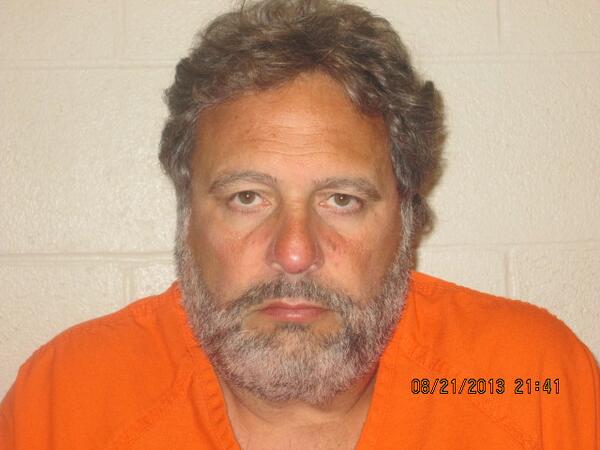
Ed FitzGerald is not like most people. When he wants something – say, a new job in politics – his will to power is ferocious, even beyond the ambition of the average politician.
And when he doesn’t want to do something, it turns out, his stubbornness surpasses that of most mortals.
“I procrastinated,” FitzGerald says, explaining why he went ten years without a regular driver’s license.
Ever since the county executive’s epic scofflaw news broke, I’ve been trying to think of a rational reason for it. I started imagining a detective-novel character with a fear of facial-recognition technology, whose learner’s permit masks an exotic secret past involving a scandalous college side job and a surveillance video.
But no.
“Eventually I went down to the BMV and waited in line like everybody else does,” the Democratic candidate for Ohio governor told WKYC-TV’s Tom Beres. “That’s not the most pleasant experience in the world all the time, but that’s no excuse.”
FitzGerald’s car trouble is taking over the governor’s race. The Plain Dealer’s investigation of why FitzGerald was parked with a Irish woman before dawn has gotten tawdrier, devolving into a he-said/cop-said about whether they were in the front or back seats. But the Columbus Dispatch’s follow-up, that FitzGerald showed the Westlake police a learner’s permit? That’s the truly unique development here.
Most politicians’ mistakes repeat ancient themes. Bribes, sex, cover-ups, thievery, wife-beating, hookers. Or just everyday cronyism, attack ads, lies, gaffes, broken promises.
But driving 3,650 days without a license? That’s such a weird slip, it’s hard to process. Avoiding an easy responsibility reveals something weird about someone’s character.
“I’m pretty surprised,” Ellen Connally, the Cuyahoga County council president, told the Dispatch. “Every citizen has to comply with the law. I don’t understand what the slip-up was.”
Exactly. FitzGerald seems to think he’s above the law. The average voter might've forgiven the story of him and the Irish lady, especially since nothing was proven. But avoiding a rule everyone else has to follow hurts any candidate, and especially a former FBI agent and prosecutor. FitzGerald rose to the top of local politics by riding the backlash against the Dimora-Russo corruption scandal. He was the anti-Dimora, the stern stickler for law and ethics. How’s that look now?
When FitzGerald’s been successful as county executive, it’s when he was tightly focused on a task. He seemed driven, even obsessed, with advancing a reform agenda and doing the opposite of what the old government had done. He got the inspector general in place fast, cut the county’s payroll and real-estate holdings and sold the albatross Ameritrust complex.
But when FitzGerald didn’t want to bother with something, you could tell. He went near-AWOL on the stadium sin tax this spring, reluctantly endorsing it but skipping a council hearing and the campaign kickoff. After it passed, he came out with a belated “win tax” proposal, a ham-handed attempt to harness both anti-sin-tax sentiment and fans’ resentment of Cleveland sports loserdom. It got him on sports talk radio, but it was dead on arrival at county council.
In the governor’s race, too, his once-sharp sense of political timing seems off. His reformer persona didn’t seem to translate statewide – even before his car trouble. His campaign often comes off as a series of Democratic clichés, an outdated attempt to revive the anti-Senate Bill 5 coalition of 2011. Sure enough, he hasn’t caught on with the swing voter; the latest poll has him down 12 points.
Maybe the license debacle is a metaphor for FitzGerald’s ultra-ambition. He’s impatient, a man in a hurry who doesn’t stay in one job long. But three months to election day, it's looking like the voters, like a stern BMV clerk, are going to send him to the back of the line.
Friday, August 8, 2014
Saturday, August 2, 2014
FitzGerald and the Irish woman: Who cares?
Soon after Cleveland.com published its story about Ed FitzGerald’s encounter with the Westlake police, the social media snark flew back from Washington, D.C.
“‘She’s part of a delegation from Ireland’ could become 2014’s ‘hiking the Appalachian Trail,’” tweeted one DC reporter.
FitzGerald held a press conference, denied doing anything unseemly, and blamed the story on Republican dirty tricks. His friend says the same.
So the Plain Dealer article leaves readers puzzling — do we believe FitzGerald’s story? He’s giving a friend a ride, in the very early morning, she can’t remember where her hotel is, so they pull over to make calls.…
Who cares?
We all know a bit about sex and human weakness. So let’s assume, for argument’s sake, that FitzGerald and the lady doth protest too much.
So what?
FitzGerald didn’t break a law. He wasn’t cited for anything. The cop wrote, “FitzGerald and friend just talking.” How is an inconclusive police report news?
I’m trying to imagine how Ted Diadiun, the Plain Dealer’sapologist reader representative, will defend the story tomorrow.
Perhaps he’ll say newspapers aren’t “gatekeepers” anymore, that the Republican Governors Association and others were asking for the police report, that it was probably going to come out anyway. Again, so what? Opposition researchers often collect every piece of dirt they can. Their political bosses use some of it and choose not to use some of it. Just collecting it isn’t news.
{Update, 8/9: Here's Diadiun's defense of the story: "It is fair to question the judgment of a candidate for the state's highest office who allows himself to be put in such a compromising position." Sounds like he's saying the press should not just expose infidelity, but even the appearance of infidelity.}
Maybe some Democrats will close their checkbooks and ask why FitzGerald ran for governor with this police report out there. Maybe some moralistic swing voters will say a potential governor shouldn’t be in a parking lot with a woman at 4:30 a.m., whatever the reason. “Judgment questions,” the Plain Dealer calls it.
I don’t buy it. The paper’s story strikes me as a rather empty exercise in sexual investigative reporting.
Whether or not FitzGerald’s friend from Ireland is just a friend has nothing to do with capital punishment, taxes, schools, job growth, local government funding, or anything else the governor does. It’s just gossip. Who cares?
“‘She’s part of a delegation from Ireland’ could become 2014’s ‘hiking the Appalachian Trail,’” tweeted one DC reporter.
FitzGerald held a press conference, denied doing anything unseemly, and blamed the story on Republican dirty tricks. His friend says the same.
So the Plain Dealer article leaves readers puzzling — do we believe FitzGerald’s story? He’s giving a friend a ride, in the very early morning, she can’t remember where her hotel is, so they pull over to make calls.…
Who cares?
We all know a bit about sex and human weakness. So let’s assume, for argument’s sake, that FitzGerald and the lady doth protest too much.
So what?
FitzGerald didn’t break a law. He wasn’t cited for anything. The cop wrote, “FitzGerald and friend just talking.” How is an inconclusive police report news?
I’m trying to imagine how Ted Diadiun, the Plain Dealer’s
Perhaps he’ll say newspapers aren’t “gatekeepers” anymore, that the Republican Governors Association and others were asking for the police report, that it was probably going to come out anyway. Again, so what? Opposition researchers often collect every piece of dirt they can. Their political bosses use some of it and choose not to use some of it. Just collecting it isn’t news.
{Update, 8/9: Here's Diadiun's defense of the story: "It is fair to question the judgment of a candidate for the state's highest office who allows himself to be put in such a compromising position." Sounds like he's saying the press should not just expose infidelity, but even the appearance of infidelity.}
Maybe some Democrats will close their checkbooks and ask why FitzGerald ran for governor with this police report out there. Maybe some moralistic swing voters will say a potential governor shouldn’t be in a parking lot with a woman at 4:30 a.m., whatever the reason. “Judgment questions,” the Plain Dealer calls it.
I don’t buy it. The paper’s story strikes me as a rather empty exercise in sexual investigative reporting.
Whether or not FitzGerald’s friend from Ireland is just a friend has nothing to do with capital punishment, taxes, schools, job growth, local government funding, or anything else the governor does. It’s just gossip. Who cares?
Wednesday, July 23, 2014
Civic Commons holds an East Cleveland merger forum -- and it doesn't go well
![]() |
| Photos by Anthony Price |
That became obvious really fast last night at a Civic Commons forum in East Cleveland about the idea of the town merging with Cleveland.
About 60 people came to the event at the East Cleveland Public Library, including East Clevelanders, Clevelanders, and people from suburbs from Euclid to Pepper Pike. Despite the serious financial problems that beset the town of 17,000, no one spoke in favor of a merger, and more than a dozen East Cleveland residents spoke out against it.
Civic Commons moderator Andrew Samtoy asked people to list negatives about a merger, and residents responded with such force that Samtoy never dared to ask for positives.
East Clevelanders said they’d lose their own mayor and council, City Hall and police, autonomy, political power, home demolition program, and direct grants from the federal government. Many questioned whether Cleveland’s poor neighborhoods are any better off than East Cleveland.
“I see Cleveland has a lot of big developments,” said M. LaVora Perry of the East Cleveland Narrator, but “those don’t trickle back to the core community. Certain neighborhoods seem to be thriving,” she added, but in others, “I don’t see anything being done.”
Several East Clevelanders said, to applause, that the Nov. 2012 Cleveland police chase and fatal shooting, which ended in East Cleveland, made them not want to join Cleveland. The East Cleveland police, one man said, have a good relationship with the community and are more likely to defuse a crisis without force.
Many in the room asked why the forum was held at all. Almost all of the merger talk of the last several months is coming from Cleveland leaders and commentators. Public opinion among East Clevelanders is strongly against a merger. So the Civic Commons’ attempt to get them to talk about merging backfired, setting off fears of a condescending and hostile takeover.
“They’re trying to build a narrative to convince East Cleveland residents to support the idea,” said Michael Smedley, chief of staff for East Cleveland Mayor Gary Norton. “They want to have a series of community forums to get you beyond your fears.”
More likely, the Civic Commons simply had no idea what it was getting into.
The event was a lesson in how not to introduce oneself to a community. The Civic Commons had no East Clevelanders scheduled to speak when it announced its event. It held the forum on the same night as East Cleveland school board meeting and city council committee meetings. It promoted the event heavily on Twitter, Facebook and public radio, but those outlets don’t reach a lot of East Clevelanders, who still promote civic events with flyers and announcements at other town meetings. Despite a weeklong social-media barrage, many East Clevelanders expressed surprise that the forum was so lightly promoted. By the event’s end, Civic Commons director Mike Shafarenko was promising they’d do better next time.
Exchanges between East Clevelanders and Cleveland city councilman Zack Reed got testy. Reed introduced himself with a joke — “I’m a little late, because [when] we do take over, we’re going to get rid of those red light cameras” — that angered many in the takeover-wary crowd. Reed sharply challenged East Cleveland councilman Nathaniel Martin’s claim that East Cleveland’s mayor is more accessible than Cleveland’s.
The event became a lesson in East Cleveland’s distrust of outsiders. Some residents talked angrily about the flight of businesses and capital from their city, including the Cleveland Clinic’s 2011 closing of Huron Hospital. Some cast the merger idea as a land grab by University Circle interests.
Finally, Cleveland councilman Mike Polensek salved the tensions with a mix of diplomacy and expressions of solidarity. “We came here as guests,” he said. “We’re not trying to take over.”
Most Cleveland city councilpeople are not in favor of annexing East Cleveland, Polensek said. “We’re here as neighbors, to assist,” he said. Cleveland has already taken over East Cleveland’s water department, he said, and he raised the possibility of more shared services and mutual aid agreements.
But Polensek warned three times, in a polite and neighborly way, that East Cleveland needs to deal with its serious fiscal problems if it wants to stay independent.
“The elite cannot push any agenda if your city is solvent,” he said. “If you get your act together, and have a balanced budget, you can make the city what you want it to be.”
Hanging over the forum, but never quite spoken, was the awful math of abandonment. East Cleveland is about to borrow almost $7 million to pay off its many debts and deficits. It’ll borrow against future local government funding from the state, which likely means even more layoffs and service cuts to come. The city’s tax base has shrunk dramatically in the last few years, shrinking its budget from $17 million in 2010 to about $11.5 million this year.
The price of independence is rising. Will a time come when even proud and independent East Clevelanders are no longer willing to pay it?
As the meeting wound down and the crowd thinned, Smedley, the mayor’s chief of staff, who had earlier declared, “there is no benefit at all to a merger,” acknowledged that it could be the fallback plan if the city can’t claw its way out of fiscal crisis.
First, Smedley said, East Cleveland needs to see if neighbors such as Cleveland and Cleveland Heights can help “give us a real shot at saving this community.”
“What we’re trying to do is to position ourselves to give us the best shot at it, and if we fail, we know that we tried our best,” Smedley said.
“And then, if merger is where we need to be at that point, I guarantee you, the government… as well as the residents, who’ve been pouring their hearts and souls into trying to save this community, will be ready to sit at the table.”
Thursday, July 17, 2014
Will the corruption watchdog get protection?
Today, the Cuyahoga County council will debate a bunch of possible amendments to the county charter. The most important would create new protections for the inspector general, the government’s anti-corruption watchdog. It’ll be a close vote.
The inspector general’s office gives employees and the public a confidential place to report wrongdoing. The first inspector general, Nailah Byrd, has looked into a lot of small allegations about misused public money and time and prompted the resignation of several employees.
But the inspector general’s real moment of truth will come someday, when the office fields a serious allegation against a county executive, a council member, or one of their political allies. Will the inspector general be able to investigate without punishment?
Right now, a council that didn’t like an investigation could simply vote to fire the inspector general or abolish the office. A charter amendment written by Dave Greenspan, a reform-minded Republican councilman, would protect the inspector general by adding the office to the charter. An inspector general would be appointed for a four-year term and could only be removed mid-term by a two-thirds council majority.
The amendment has bipartisan support. Jack Schron, the county councilman and Republican candidate for county executive, predicts voters would approve it if they get the chance.
So what’s the holdup?
Council president Ellen Connally opposes the amendment. She questions the size of the inspector general’s budget, about $1 million, and she questions why investigations are made public whether a complaint is founded or not. Worthwhile questions, but the council would still have the power to address them if an amendment passes.
Sunny Simon, the council’s vice-president, could be a swing vote. She wants to allow a simple majority of council to fire the inspector general. That may not be enough protection in the future, if a political machine controls both the executive's office and council.
Another proposed charter amendment would require the executive to get council’s approval to fire the sheriff. Some council members will support this because they don't like the fact that Ed FitzGerald fired Bob Reid in 2012 with very little explanation.
The amendment would also guard against corruption, because a future county executive wouldn't be able to fire a sheriff to stop an investigation.
The council will meet today at 1 pm to decide which charter amendments to move forward.
You may hear more about other proposed amendments. A voting-rights amendment, which would give the Democrats a new weapon in Ohio’s endless war over election rules, is likely to split the council along partisan lines. Schron wants to make county elections nonpartisan, presumably to give future Republicans more of a chance in executive and prosecutor races.
Don’t let the partisan debates distract you. If you care about keeping Cuyahoga County’s government corruption-free, and if you think the public needs more protection from the power of political machines, then the inspector general is the most important reform of all.
Update, 7/18: The council didn't get to the inspector general amendment yesterday. It's on the agenda for the July 22 meeting at 2 pm. The council voted 6-5 to advance the sheriff amendment to a final vote. But its odds are bad. Amendments need eight votes to get on the November ballot.
Update, 7/23: The council advanced the inspector general amendment yesterday on a 9-2 vote, after approving Simon's change that would allow a simple majority of council to fire the IG. They'll vote Aug. 12 whether to put it on the November ballot.
Update, 9/4: The inspector general won't make the ballot. It only got 6 votes out of 11 last month, and it needed 8. Explaining his no vote, councilman Mike Gallagher compared the inspector general to "Big Brother" and claimed she was trying to spy on county workers by obtaining video feeds. Later, he retracted his criticism -- but he still doesn't support protecting the inspector general in the charter.
This issue isn't going away. Jack Schron is championing the inspector general in his campaign for county executive.
The inspector general’s office gives employees and the public a confidential place to report wrongdoing. The first inspector general, Nailah Byrd, has looked into a lot of small allegations about misused public money and time and prompted the resignation of several employees.
But the inspector general’s real moment of truth will come someday, when the office fields a serious allegation against a county executive, a council member, or one of their political allies. Will the inspector general be able to investigate without punishment?
Right now, a council that didn’t like an investigation could simply vote to fire the inspector general or abolish the office. A charter amendment written by Dave Greenspan, a reform-minded Republican councilman, would protect the inspector general by adding the office to the charter. An inspector general would be appointed for a four-year term and could only be removed mid-term by a two-thirds council majority.
The amendment has bipartisan support. Jack Schron, the county councilman and Republican candidate for county executive, predicts voters would approve it if they get the chance.
So what’s the holdup?
Council president Ellen Connally opposes the amendment. She questions the size of the inspector general’s budget, about $1 million, and she questions why investigations are made public whether a complaint is founded or not. Worthwhile questions, but the council would still have the power to address them if an amendment passes.
Sunny Simon, the council’s vice-president, could be a swing vote. She wants to allow a simple majority of council to fire the inspector general. That may not be enough protection in the future, if a political machine controls both the executive's office and council.
Another proposed charter amendment would require the executive to get council’s approval to fire the sheriff. Some council members will support this because they don't like the fact that Ed FitzGerald fired Bob Reid in 2012 with very little explanation.
The amendment would also guard against corruption, because a future county executive wouldn't be able to fire a sheriff to stop an investigation.
The council will meet today at 1 pm to decide which charter amendments to move forward.
You may hear more about other proposed amendments. A voting-rights amendment, which would give the Democrats a new weapon in Ohio’s endless war over election rules, is likely to split the council along partisan lines. Schron wants to make county elections nonpartisan, presumably to give future Republicans more of a chance in executive and prosecutor races.
Don’t let the partisan debates distract you. If you care about keeping Cuyahoga County’s government corruption-free, and if you think the public needs more protection from the power of political machines, then the inspector general is the most important reform of all.
Update, 7/18: The council didn't get to the inspector general amendment yesterday. It's on the agenda for the July 22 meeting at 2 pm. The council voted 6-5 to advance the sheriff amendment to a final vote. But its odds are bad. Amendments need eight votes to get on the November ballot.
Update, 7/23: The council advanced the inspector general amendment yesterday on a 9-2 vote, after approving Simon's change that would allow a simple majority of council to fire the IG. They'll vote Aug. 12 whether to put it on the November ballot.
Update, 9/4: The inspector general won't make the ballot. It only got 6 votes out of 11 last month, and it needed 8. Explaining his no vote, councilman Mike Gallagher compared the inspector general to "Big Brother" and claimed she was trying to spy on county workers by obtaining video feeds. Later, he retracted his criticism -- but he still doesn't support protecting the inspector general in the charter.
This issue isn't going away. Jack Schron is championing the inspector general in his campaign for county executive.
Tuesday, July 8, 2014
Did anyone call Jimmy Dimora with the good news about the 2016 Republican convention?
Is Jimmy Dimora rolling over in his cell today? Or, lying behind bars in a California prison, does he
secretly feel vindicated that the Republicans are coming to Cleveland for their 2016 convention?
If you’re excited the GOP chose us, there’s lots of credit to go around today. Ed FitzGerald deserves some (as Brent Larkin notes). So do Rob Portman and Frank Jackson. A bipartisan effort convinced the Republicans to hold their coronation in Cleveland.
No one, of course, has thanked Dimora, the former Democratic chair turned disgraced crook. Nor do I expect Tim Hagan, the hotheaded liberal Democrat who made the convention center his last big-spending project, to get much thanks from the pro-RNC crowd.
But the Republicans’ enormous convention wouldn’t be coming here without Dimora and Hagan’s controversial 2007 decision to raise the sales tax and build the convention center and Global Center. That big bet on the convention industry and visitor economy is the first step that made the RNC decision today possible.
Quicken Loans Arena will be the Republicans’ main convention hall, but the Cleveland Convention Center will be the RNC’s biggest supporting venue. More important is the cascade of development the project set off. No convention center means no hotel boom and no convention center hotel. Cleveland didn’t have as many hotel rooms as Dallas, but by 2016, it’ll have just enough.
Even the author of a very critical piece about the convention center hotel admitted as much today:
“If you look at cities that have enjoyed urban rebirth, they are almost all associated with tourism and hospitality,” Kennedy said then. “Unless you introduce that element back into Cleveland, I don't believe any other strategy can be successful. Additionally, this strategy can turn a city around all by itself.”
Exciting, if true. And we’ll see. Cleveland is all-in with the visitor economy now.
Today’s news isn’t going to stop the debate about that, nor should it. One of the great divides of Cleveland politics is about projects like this -- big spending on attracting visitors, and on downtown in general.
The RNC is a lot like Dimora and Hagan’s gamble on the convention center, or FitzGerald’s double-down on a county-owned convention hotel. Cleveland will spend $55 million to $68 million to prepare for the convention, to attract visitor spending that can only be estimated, before or after -- $404 million? or $170 million? or even just $15 million?
But sometimes events move the debate. Cleveland’s improbable return to the national political convention circuit is a big win for the optimists’ strategy.
secretly feel vindicated that the Republicans are coming to Cleveland for their 2016 convention?
If you’re excited the GOP chose us, there’s lots of credit to go around today. Ed FitzGerald deserves some (as Brent Larkin notes). So do Rob Portman and Frank Jackson. A bipartisan effort convinced the Republicans to hold their coronation in Cleveland.
No one, of course, has thanked Dimora, the former Democratic chair turned disgraced crook. Nor do I expect Tim Hagan, the hotheaded liberal Democrat who made the convention center his last big-spending project, to get much thanks from the pro-RNC crowd.
But the Republicans’ enormous convention wouldn’t be coming here without Dimora and Hagan’s controversial 2007 decision to raise the sales tax and build the convention center and Global Center. That big bet on the convention industry and visitor economy is the first step that made the RNC decision today possible.
Quicken Loans Arena will be the Republicans’ main convention hall, but the Cleveland Convention Center will be the RNC’s biggest supporting venue. More important is the cascade of development the project set off. No convention center means no hotel boom and no convention center hotel. Cleveland didn’t have as many hotel rooms as Dallas, but by 2016, it’ll have just enough.
Even the author of a very critical piece about the convention center hotel admitted as much today:
Well, fuck, now the subsidized Hilton hotel looks like a genius plan.
— Eric Sandy (@ericsandy) July 8, 2014
I’m remembering the argument that Chris Kennedy of MMPI, the convention center’s developer, made in a story I wrote five years ago.
“If you look at cities that have enjoyed urban rebirth, they are almost all associated with tourism and hospitality,” Kennedy said then. “Unless you introduce that element back into Cleveland, I don't believe any other strategy can be successful. Additionally, this strategy can turn a city around all by itself.”
Exciting, if true. And we’ll see. Cleveland is all-in with the visitor economy now.
Today’s news isn’t going to stop the debate about that, nor should it. One of the great divides of Cleveland politics is about projects like this -- big spending on attracting visitors, and on downtown in general.
The RNC is a lot like Dimora and Hagan’s gamble on the convention center, or FitzGerald’s double-down on a county-owned convention hotel. Cleveland will spend $55 million to $68 million to prepare for the convention, to attract visitor spending that can only be estimated, before or after -- $404 million? or $170 million? or even just $15 million?
The hype is beginning. Now let's start putting in perspective. Economic numbers are overblown and conv don't bring long-term eco impact.
— mark naymik (@marknaymik) July 8, 2014
Psst ... Cities. Mega-events don't pay ... New Report via @sandymaxey - http://t.co/39BJQ52vsZ … … … cc @Richard_Florida
— Richard Florida (@Richard_Florida) July 8, 2014
The boosters and skeptics, the optimists and pessimists, will fight on, just like the Republicans and Democrats will. Neither will be right all the time.But sometimes events move the debate. Cleveland’s improbable return to the national political convention circuit is a big win for the optimists’ strategy.
Wednesday, June 25, 2014
CLE + GOP? I blame legal pot
Who’s more likely to come to Cleveland? I asked last night. The Republicans, or LeBron?
“Republicans,” my co-workers said. Good call.
LeBron and Cleveland would have to swallow their pride to get back together. But to bring the 2016 Republican convention to Cleveland, the GOP and the deep-blue city would just have to agree to a slightly uncomfortable, short-term, mutually beneficial arrangement: We get their hundreds of millions of dollars in travel spending, they get a chance at our votes.
Today, to the surprise of most of Cleveland, we’re in the finals. The Republicans actually called us a “world-class city.” It’s a seductive compliment. Cleveland boosters repeat it to each other all the time, but never hear it from an outsider.
As for Denver and Kansas City? “We felt fortunate to get to know them,” says the polite suitor, as if writing an email after a sparks-free third date.
Today, Clevelanders are blinking in the afternoon light, surprised to get this far. Never mind that Dallas is still the favorite, still culturally familiar ground for the Republicans in a red state full of conservative donors. If the party decides to hold its convention in state it wants to nudge into the win column, we’re the choice.
From clevelandrnc2016.com, the website supporting our bid:
How’d we beat Denver?
OK, the new convention center gets some credit, and the hotel boom it’s kicked off. The Rock Hall gets some credit too. Republicans like rock ‘n’ roll -- even if they have to use country music as campaign themes because no rock stars will give them permission except Kid Rock, Ted Nugent and Meat Loaf.
Still, how did the Rs choose Lake Erie over the Rocky Mountains?
I blame legal pot.
No Republican really wants to hold a convention in a state where marijuana is legal. That’s not just because they don’t like the law. They fear awkward viral iPhone photos of blazer-and-tie-clad delegates puffing joints, passing out in hotel fountains after downing more edibles than Maureen Dowd, and generally making Johnny Manziel’s twitpics look dignified. They don’t want Vice trolling the town for clickbait like “I Sold The Kansas GOP Chair A Huge Bag Of Reefer.” People expect Democrats to be closet stoners, but it’d hurt the GOP brand.
Cleveland is a harmless place to bring Republican delegates because our vice isn’t marijuana. It’s self-pity.
The most the Republicans could do to embarrass themselves in a very Cleveland way would be to get photographed in a very Cleveland T-shirt. They should especially avoid the ones that say, “There’s Always Next Year.”
“Republicans,” my co-workers said. Good call.
LeBron and Cleveland would have to swallow their pride to get back together. But to bring the 2016 Republican convention to Cleveland, the GOP and the deep-blue city would just have to agree to a slightly uncomfortable, short-term, mutually beneficial arrangement: We get their hundreds of millions of dollars in travel spending, they get a chance at our votes.
Today, to the surprise of most of Cleveland, we’re in the finals. The Republicans actually called us a “world-class city.” It’s a seductive compliment. Cleveland boosters repeat it to each other all the time, but never hear it from an outsider.
As for Denver and Kansas City? “We felt fortunate to get to know them,” says the polite suitor, as if writing an email after a sparks-free third date.
Today, Clevelanders are blinking in the afternoon light, surprised to get this far. Never mind that Dallas is still the favorite, still culturally familiar ground for the Republicans in a red state full of conservative donors. If the party decides to hold its convention in state it wants to nudge into the win column, we’re the choice.
From clevelandrnc2016.com, the website supporting our bid:
In the 2012 presidential election, no county in Ohio cast as many votes as Cuyahoga County… a voter swing of as little as 15% in Cuyahoga County would have turned Ohio red. The 2016 Republican Convention presents an opportunity to win the hearts and minds of Ohioans early.So we’re going into the finals with swing-state advantage. That’s the biggest surprise today.
How’d we beat Denver?
OK, the new convention center gets some credit, and the hotel boom it’s kicked off. The Rock Hall gets some credit too. Republicans like rock ‘n’ roll -- even if they have to use country music as campaign themes because no rock stars will give them permission except Kid Rock, Ted Nugent and Meat Loaf.
Still, how did the Rs choose Lake Erie over the Rocky Mountains?
I blame legal pot.
No Republican really wants to hold a convention in a state where marijuana is legal. That’s not just because they don’t like the law. They fear awkward viral iPhone photos of blazer-and-tie-clad delegates puffing joints, passing out in hotel fountains after downing more edibles than Maureen Dowd, and generally making Johnny Manziel’s twitpics look dignified. They don’t want Vice trolling the town for clickbait like “I Sold The Kansas GOP Chair A Huge Bag Of Reefer.” People expect Democrats to be closet stoners, but it’d hurt the GOP brand.
Cleveland is a harmless place to bring Republican delegates because our vice isn’t marijuana. It’s self-pity.
The most the Republicans could do to embarrass themselves in a very Cleveland way would be to get photographed in a very Cleveland T-shirt. They should especially avoid the ones that say, “There’s Always Next Year.”
Tuesday, June 3, 2014
FitzGerald files suit over 2005 Ameritrust deal -- but can he answer the biggest question?
Ed FitzGerald says he’s kicked off the “hopefully the last chapter” in the Cuyahoga County corruption saga. He’s filed a lawsuit to try to prove longstanding suspicions that Jimmy Dimora and his cronies corrupted the county’s ill-fated 2005 purchase of the Ameritrust Tower.
The lawsuit could answer questions about the old county government’s controversial $3 million deal with a real estate consultant. It also hints at an even deeper possible scandal -- that Dimora may have manipulated the search for a new county headquarters site so that the Ameritrust site would come out on top.
For years, FitzGerald has vowed to get to the bottom of lingering questions about the former Staubach Co.’s real estate consulting contract. He thinks its $3 million payment was inflated, and he questions why Staubach liked the Ameritrust site.
“This whole thing started because when you look at the transaction on its face, it doesn’t make sense,” FitzGerald said yesterday. After the FBI probe of the Ameritrust deal didn’t result in convictions, FitzGerald asked county prosecutor Tim McGinty to look into it. “As the years went by, we got some additional information from the prosecution,” FitzGerald said.
Now, FitzGerald’s administration claims Staubach paid $500,000 to people close to Dimora, who helped Staubach get Dimora’s ear and then get the contract. The alleged cast of characters includes Vince Russo, corrupt ex-auditor Frank Russo’s son, and Vincent Carbone, a contractor implicated in the county corruption probe. The suit says Staubach hired them as “government relations” consultants.
“The amounts involved here are pretty astronomical,” FitzGerald said. “Over a half million dollars -- a huge portion of the total contract -- is all in government relations. Whether or not they’re true experts in government relations is a real question.”
The suit also claims Anthony Calabrese III played a major role in corrupting the Ameritrust project. Calabrese, a central figure in the federal corruption case, worked as an attorney for Staubach.
The suit (pdf) alleges that Staubach hired Calabrese so that he’d help them get meetings with Dimora and win the county’s business. It claims Calabrese got $99,000 of Staubach’s alleged “government relations” payments.
Last year, county prosecutor McGinty got Calabrese to plead guilty in state court to paying a $70,000 bribe for inside information about the Ameritrust sale. McGinty also called Dimora, Frank Russo, and others to testify before a county grand jury. Info from McGinty’s criminal investigation helped the law department file suit.
The complaint even tackles the most explosive question about the deal: Why did the county choose to buy the Ameritrust complex? The suit clearly implies that Dimora steered Staubach’s site search for a new county headquarters toward the Ameritrust complex, then owned by the late developer and Indians owner Dick Jacobs.
Dimora met with Staubach officials at the Holiday Inn Rockside in Independence on January 21, 2005, the suit claims -- four days before Staubach delivered its recommendation.
“Ameritrust all of a sudden became the first recommended choice,” county law director Majeed Makhlouf said yesterday. Earlier, Staubach had ranked the site fourth. Makhlouf says Staubach hasn’t provided any records about why it moved the Ameritrust site to first place.
The lawsuit claims the county wouldn’t have chosen the Ameritrust site if not for Staubach’s alleged wrongdoing. Makhlouf suggested the county may seek damages for its $1 million annual upkeep of the complex and the $10 million it spent to remove asbestos from it. (The county sold it last year at a loss of about $18 million.)
But Staubach didn’t tell the county to buy the building – it recommended leasing it. The company, now part of Jones Lang Lasalle, pointed that out in a statement yesterday. It accused FitzGerald of filing a “baseless” lawsuit for political purposes (to burnish his reformer credentials while he’s running for governor, presumably). The company denied any wrongdoing and noted that it cooperated fully with McGinty’s investigation. Update: The company also says Russo and Carbone's company provided "legitimate services" that included "much more than government relations," and that the county has ignored documents that prove as much.
“Isn’t it rather interesting,” Makhlouf said, “[that] all these expenses are allegedly charged to see how suitable the building is, so you can tear it down?” Sure. And that’s a question for Dimora. Staubach never wanted to tear it down.
The decision to buy the Ameritrust Tower lies with Dimora, Tim Hagan, and Peter Lawson Jones, the county commissioners in 2005. Hagan and Jones explained their reasoning in my 2008 story “Tower Play.” Dimora’s reasons are less clear.
Given what we now know about Dimora’s corruption -- how he repeatedly nudged the county toward decisions that benefited his friends and benefactors -- the question of whether he nudged this search toward a benefactor’s site is worth asking. Dick Jacobs, who died in 2009, seeded Dimora’s first campaign for county commissioner with a $36,000 donation.
An FBI wiretap caught a Dimora crony claiming vaguely that the county chose the Ameritrust site because the owner of a competing property wouldn’t pay a kickback. But the FBI couldn’t build a case on that. Learning the truth or untruth of that story may be beyond the reach of FitzGerald’s lawyers -- the real last chapter in the county corruption saga, one that no one may be able to write.
Subscribe to:
Posts (Atom)